Featured
Table of Contents
- – SSL and HIPAA in Therapy Website Design
- – Geographic Body shop Strategy for [a:specialty...
- – Coordinated vs Customized Body shop Tactics
- – The Role of Online Communities in Body shop
- – Performance Monitoring for [a:specialty] Web...
- – Device-First Optimization for [a:specialty] ...
- – Brand Restoration Tactics for Mental Health ...
Visit our for more information concerning our dedication to excellenceor surf our for added insights. The future belongs to those that embrace it. Will you be one of them?.
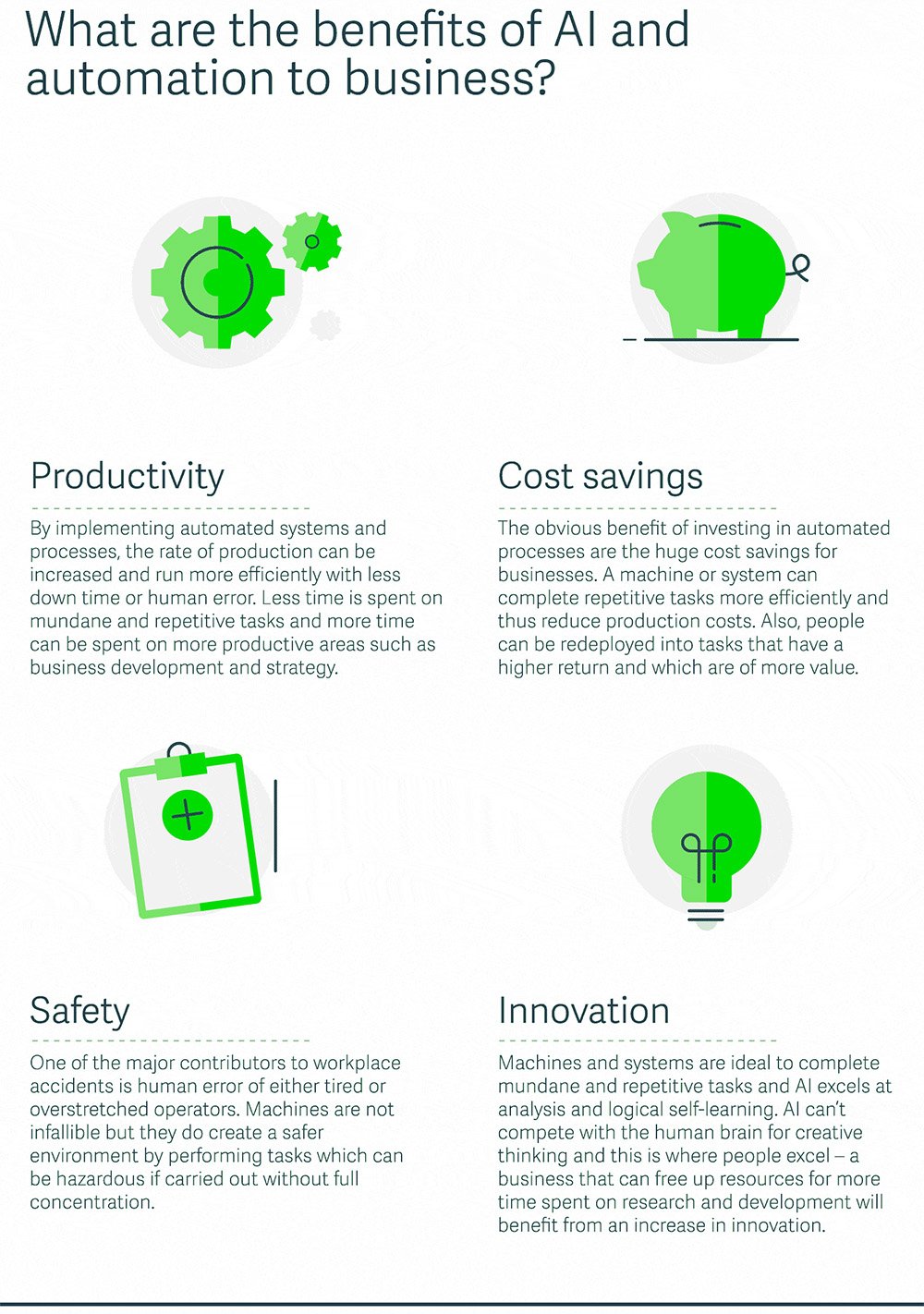
This difference highlights AI's potential to introduce a layer of intelligence that enhances productivity and modification. There's. As it automates repetitive jobs such as screening resumes or monitoring participation, AI considerably shortens the moment invested on these procedures. This allows human resources professionals to change their emphasis from ordinary management responsibilities to higher-value projects that add to calculated objectives.
SSL and HIPAA in Therapy Website Design
AI assures a greater level of precision due to the fact that it filterings system out these mistakes, leading to even more consistent outcomes and decreasing the dangers connected with hand-operated blunders. With AI automation, companies can free up their Human resources staff to focus on campaigns that drive development.
AI automation makes procedures smarter, more effective, and employee-centric. Beginning with the hiring process and getting to compliance, AI-powered HR tools take treatment of repetitive and data-heavy jobs and permit HR teams to concentrate on method and creativity. Listed below, we'll damage down vital human resources features that AI can substantially redefine: Hiring is among the most lengthy tasks for human resources, and AI is a turning factor below.
A well-structured onboarding procedure can make all the difference so that they stay. AI-powered chatbots can provide prompt response to usual concerns and minimize the demand for human resources to repetitively handle basic questions. Furthermore, AI devices can direct brand-new hires via the needed documentation, training components, and business plans so that they're outfitted to be successful from day one.
Geographic Body shop Strategy for [a:specialty] Practices
Collecting and assessing staff member responses is valuable for comprehending work environment morale., all which provide actionable insights to HR teams. This makes way for calculated tweaks to boost employee fulfillment and retention.
AI devices can help with this because LLMs or ad-hoc AIs can track plan updates. Below's just how AI optimizes Human resources processes: AI takes over repeated and time-consuming jobs, like return to evaluating.
Coordinated vs Customized Body shop Tactics
It's important to and develop where automation will certainly have the most influence. Next off, you must. There's no one-size-fits-all remedy, so you'll intend to choose tools that straighten with your company's details needs and goals. For instance, if you're concentrated on boosting recruitment, an AI platform that can properly write task descriptions could be your best wager.
Among one of the most remarkable advancements will be the. This modern technology will permit human resources teams to forecast which candidate will certainly be the most effective for a work just by reading a resume. It will certainly also figure out future workforce demands, identify staff member retention dangers, and also recommend which employees could benefit from added training.
One more area where AI is set to make waves is in. It's most likely that employees won't want to talk with digital health aides powered by AI.
The Role of Online Communities in Body shop
But, in regards to customization, generative AI might take them also better. And speaking about that strain of tech, can end up being a game-changer in human resources automation. This innovation is anticipated to go beyond standard chatbots and help human resources teams produce customized job descriptions, automated efficiency reviews, and even individualized training programs.
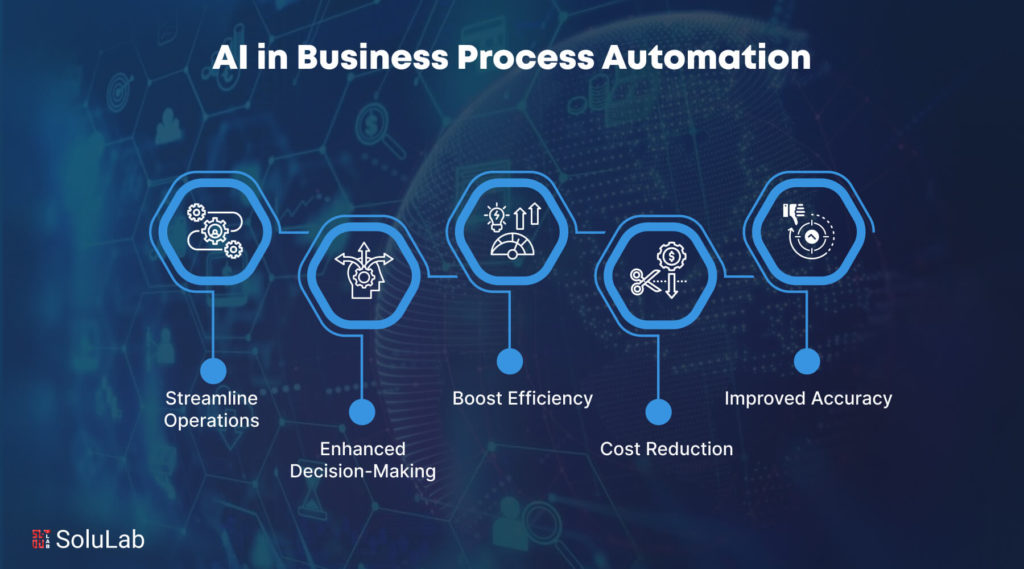
The actual charm of generative AI is that it can make content and options that fit each one-of-a-kind service demand. AI automation is revising human resources as it takes care of repeated and lengthy jobs and allows HR professionals to focus on critical goals. AI tools provide quickness, accuracy, and price savings. An improved worker experience and trustworthy data for decision-making are additionally advantages of having AI plugged into a Human resources process.
The idea of "a maker that assumes" go back to old Greece. Since the introduction of electronic computer (and relative to some of the subjects talked about in this post) important events and turning points in the evolution of AI include the following: Alan Turing releases Computer Machinery and Knowledge. In this paper, Turing renowned for breaking the German ENIGMA code throughout WWII and frequently described as the "dad of computer technology" asks the complying with concern: "Can equipments assume?" From there, he offers an examination, currently notoriously called the "Turing Test," where a human interrogator would attempt to distinguish between a computer and human message reaction.
Performance Monitoring for [a:specialty] Websites
John McCarthy coins the term "man-made knowledge" at the first-ever AI meeting at Dartmouth College. Later that year, Allen Newell, J.C. Shaw and Herbert Simon produce the Reasoning Theorist, the first-ever running AI computer program.
Neural networks, which use a backpropagation algorithm to train itself, became widely utilized in AI applications. Stuart Russell and Peter Norvig release Expert system: A Modern Method, which ends up being one of the leading textbooks in the research study of AI. In it, they explore four prospective goals or interpretations of AI, which distinguishes computer system systems based upon rationality and believing versus acting.
With these new generative AI techniques, deep-learning designs can be pretrained on huge quantities of data. Multimodal models that can take multiple kinds of information as input are providing richer, a lot more durable experiences.
Device-First Optimization for [a:specialty] Body shop
Below are the crucial ones: Offers Scalability: AI automation readjusts conveniently as business requires grow. Uses Speed: AI designs (or tools) procedure details and react instantly.
Collect Data: Collect pertinent information from reputable sources. The data might be incomplete or have added information, yet it creates the base for AI.Prepare Data: Clean the information by removing errors and redundancies. Organize the data to fit the AI technique you intend to utilize. Select Formula: Pick the AI algorithm ideal suited for the issue.
Train Version: Train the AI version using the training data. Examination Version: Test the incorporated AI model with a software application to ensure AI automation functions appropriately.
Healthcare: AI is utilized to anticipate diseases, manage individual documents, and offer customized medical diagnoses. Manufacturing: AI anticipates tools failures and takes care of top quality checks.
Brand Restoration Tactics for Mental Health Professionals
It helps projection need and set dynamic costs. Merchants also utilize AI in storehouses to enhance stock handling. AI automation works best when you have the right devices constructed to take care of particular tasks.
Enhanced Tool Coverage: Implement your produced examinations across 3000+ web browsers, OS, and tool combinations. ChatGPT: It is an AI tool that assists with tasks like composing, coding, and answering concerns. You type a punctual, and it responds in natural language. ChatGPT is made use of for composing e-mails, summing up message, generating concepts, or resolving coding troubles.

Table of Contents
- – SSL and HIPAA in Therapy Website Design
- – Geographic Body shop Strategy for [a:specialty...
- – Coordinated vs Customized Body shop Tactics
- – The Role of Online Communities in Body shop
- – Performance Monitoring for [a:specialty] Web...
- – Device-First Optimization for [a:specialty] ...
- – Brand Restoration Tactics for Mental Health ...
Latest Posts
Citation Management for [a:specialty] Practices
Integrated Marketing for Mental Health Practices
Analyzing Query Trends in [a:specialty]
More
Latest Posts
Citation Management for [a:specialty] Practices
Integrated Marketing for Mental Health Practices
Analyzing Query Trends in [a:specialty]